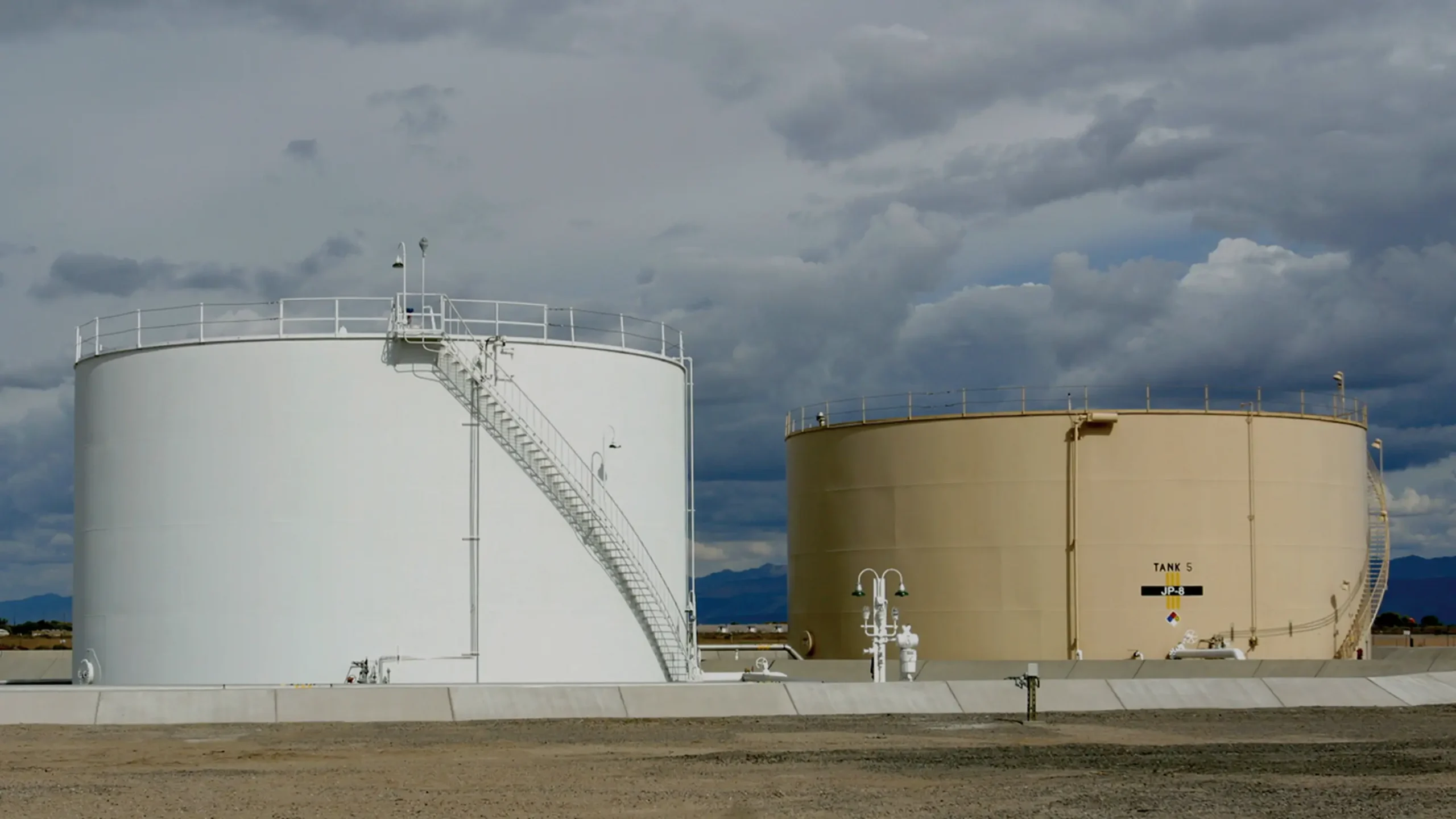
Defense Fuels Logistics in Theatre

NATO is an intergovernmental military alliance of 29 member countries across North America and Europe, built on a system of collective defense. Three NATO members — the United States, France and the United Kingdom — are permanent members of the UN Security Council. The Allied Joint Force Command sits at Brunssum, Netherlands. The Resolute Support Mission (RSM) — the NATO-led mission that followed the International Security Assistance Force (ISAF) — operated with over 13,000 personnel across Afghanistan.
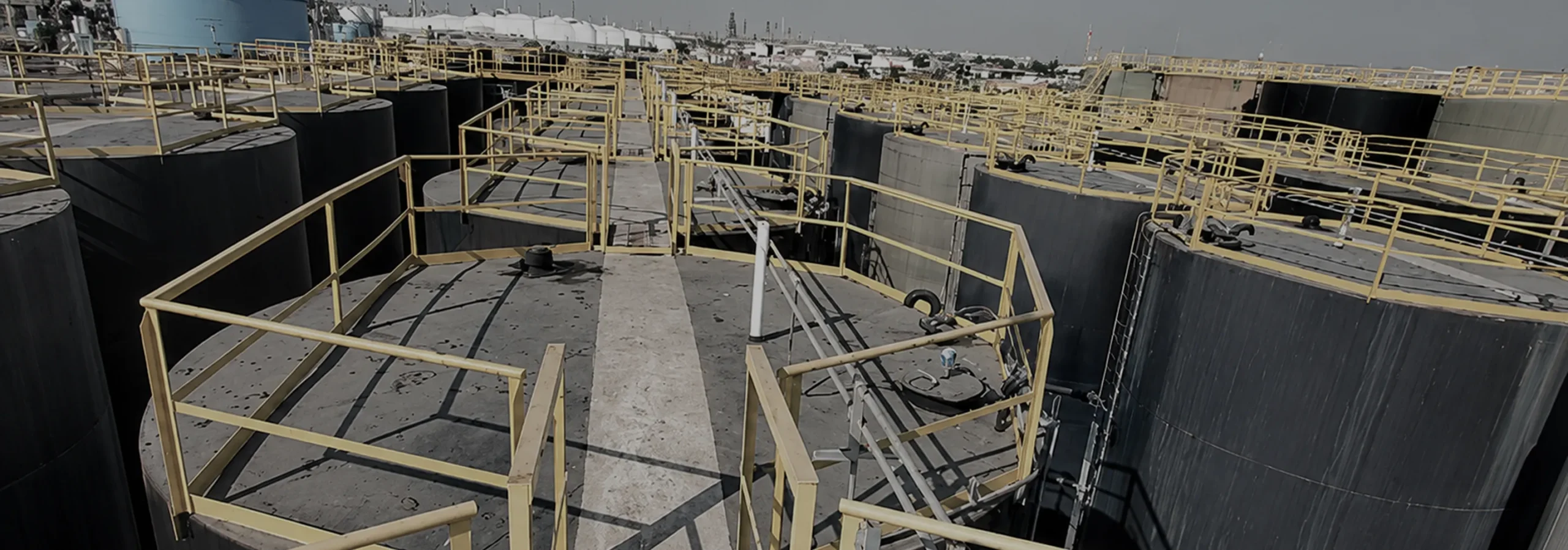

Automatic Tank Gauging Systems – Bayway Refinery, NJ

Petrel

The Bayway Refinery in Linden, New Jersey — on the New York Harbor — processes mainly light, low-sulfur crude oil. Crude is supplied by tanker from Canada and West Africa, and U.S.-advantaged crude is delivered via rail and marine transport.

Stolthaven Terminals — Newcastle

In late 2011, Marstel Terminals Pty Ltd issued a scope of work for the design, manufacture, installation, and commissioning of a four-bay gantry truck loading and automation control system for a diesel terminal. Varec — a Cognesense brand — was selected for its extensive industry knowledge, local terminal automation experience, and the capabilities of FuelsManager®.

Combining Accuracy With Safety

The fourth edition of API 2350 made it clear: preventing tank overfills and spills with appropriate technology is no longer optional. Small recurring spills during product delivery — or larger overfills from internal pressure build-up — carry serious safety, environmental, monetary, and regulatory consequences for a tank farm.

O’Hare International Airport

Aircraft Service International Group (ASIG) — now owned by Menzies Aviation — has operated the tank farm at Chicago O’Hare since 1960. The site runs two farms: a United Airlines farm with 14 pumps and an Other Airlines farm with six pumps feeding the cargo loading rack and two super satellite systems.

Salt Lake City Airport

The fuel storage facility at Salt Lake City International Airport is operated by Aircraft Service International Group (ASIG). In 2009, an independent feasibility study confirmed the existing inventory and control system was at end-of-life — built on ageing relays, custom software, and an outdated CiTech® gauging system with manual temperature readings.