01

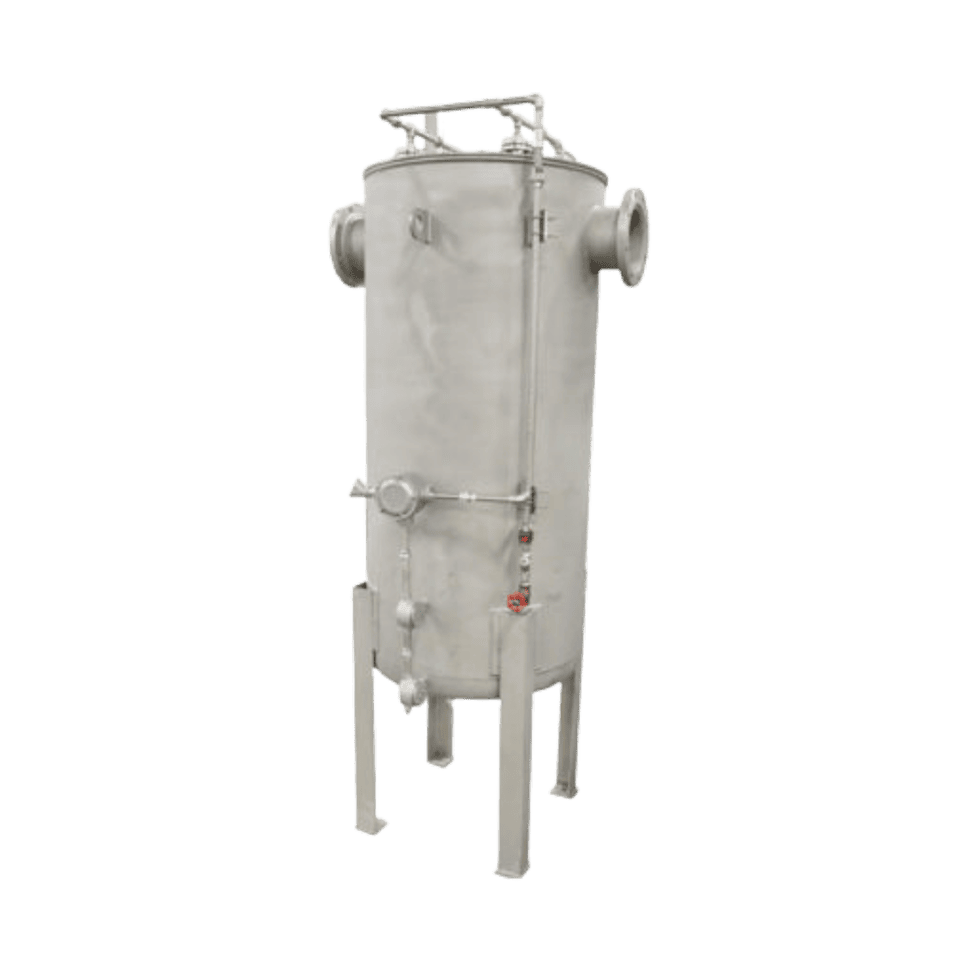
97180 Foam Separator

Gas Foam Separation Vessel

Shand & Jurs 97180 Foam Separator

For digester operators, landfill-gas engineers, and biogas conditioning designers, the Shand & Jurs Biogas 97180 Foam Separator removes entrained foam and carryover from low-pressure gas streams before the gas reaches flame arresters, regulators, burners, and instrumentation.

Unlike conventional gravity separators that pass stable biological foam generated by agitated digesters, the 97180 uses a continuous internal water spray and a vertical rise past an internal baffle to collapse foam bubbles and separate solids and liquid from the gas.

Maintained water seals and high- and low-level switches prevent gas release through the drain, while an optional NEMA 7 control panel and visual drain flow indicator support classified-area installations and continuous operator visibility.

Rated to 1 PSIG maximum working pressure across 2″–16″ ANSI flanged sizes in 316/316L stainless steel, the 97180 functions as the dedicated biological gas-conditioning stage ahead of downstream treatment and utilization equipment.

Shand & Jurs 97180
Shand & Jurs 97180 Foam Separator
02

Features

Continuous Wash Spray System

Internal water spray collapses stable biological foam that conventional gravity separators cannot remove, protecting downstream flame arresters and regulators from plugging.

Vertical Rise with Baffle

Gas follows a rising path past an internal baffle, forcing disengagement of entrained foam, solids, and liquid from the gas stream before the outlet.

Maintained Water Seal

Continuous water seal prevents gas release through the drain connection while allowing controlled discharge of collapsed foam, solids, and separated liquid from the vessel.

High and Low Level Switches

NEMA 4 or NEMA 7 level switches control spray water supply and protect containment, automating operation and preventing loss of seal during process excursions.

Optional Visual Drain Indicator

Optional drain flow indicator confirms active wash operation and correct water flow at a glance during routine operator rounds and commissioning.

316/316L Stainless Construction

Stainless vessel, legs, and spray nozzles resist corrosion in wet biological gas service, supporting long service life in digester, sludge, and landfill gas duty.

Applications

  • Digesters: Removes foam carryover from anaerobic digester gas streams driven by mixing and biological agitation, protecting downstream flame arresters and utilization equipment.
  • Sludge Gas: Conditions wastewater sludge gas before downstream handling, preventing fouling of regulators and instruments caused by entrained foam and carryover liquid.
  • Landfill Gas: Treats wet landfill gas upstream of treatment skids and flares, removing foam and solids that would otherwise foul downstream flame arresters and burners.
  • Wet Gas Piping: Installed at staged conditioning points to protect piping, valves, and instrumentation from the foam and liquid carryover common in biological gas networks.
  • Flare Systems: Conditions gas ahead of waste gas flares, protecting flare flame-arrester assemblies from plugging and maintaining stable combustion during digester upsets.
  • Burner Fuel Gas: Cleans biogas feeding boilers and process burners, removing foam and liquid carryover that would disrupt combustion stability and require frequent burner servicing.
03

Specifications

Parameter

Specification

Function

Foam removal and gas washing

Maximum Working Pressure

1 PSIG (27″ W.C.)

Flange Connection Sizes

2″ – 16″

Separation Method

Spray wash + baffle disengagement

Utility Water Pressure

40 PSIG typical

Level Switches

NEMA 4 or NEMA 7

Solenoid

3/4″ NPT, NEMA 7

Vessel Materials

316/316L Stainless Steel Tank and Legs

Spray Nozzles

316 Stainless Steel

Drain Connection

4″ ANSI or DN100

Optional Panel

Monitor and transmit data to main SCADA system

Contact Support
2026 COST ESTIMATE

Contact Support

If you have questions not covered here, please contact the Cognesense support team for assistance.

Contact Us

Why is a foam separator required for biogas service?

Agitated biological processes generate stable foam that is not readily separated by gravity. Without a dedicated separator, foam passes into downstream flame arresters, regulators, and burners, causing fouling, corrosion, and blockages that disrupt operation.

How does the 97180 actually separate foam from gas?

+

Gas enters the vessel and is subjected to a continuous internal water spray and vertical rise past an internal baffle. The washing action and velocity reduction collapse foam bubbles and separate solids and liquid from the gas, sending them to the bottom drain.

How is the drain protected from becoming a gas escape path?

+

High and low level switches maintain a water seal in the drain so gas cannot escape through it. Separated foam, solids, and liquid are discharged while the seal is held, and the control system prevents loss of containment.

What sizes and pressure rating are available?

+

The 97180 is available in 2″ through 16″ ANSI flanged connections. Maximum working pressure is 1 PSIG (27″ W.C.), matching low-pressure digester and landfill gas headers.

Does the 97180 replace the need for a sediment trap?

+

No. The 97180 addresses foam and fine carryover. For upstream bulk liquid and sediment removal, use Shand & Jurs Model 97120 Sediment Trap. Both devices are designed to work in series within staged gas-conditioning trains.

Is an optional control panel available?

+

Yes. An optional NEMA 7 control panel monitors level switches, solenoid state, and wash flow, and can transmit data to the main SCADA system for integrated operator visibility and alarm handling.

Summary

With over a century of tank-safety heritage inside Cognesense, the Shand & Jurs Biogas 97180 Foam Separator addresses the foam carryover that gravity separators cannot remove. By collapsing stable biological foam before it reaches control or combustion equipment, it prevents plugging, corrosion, and nuisance shutdowns in digester, sludge, and landfill gas service. Deployed as the dedicated biological conditioning stage within the S&J gas-handling system, it is trusted wherever you need to measure, monitor, and protect what matters most.

Shand & Jurs
Measure.
Monitor.
Protect.