01

97126 Gas Purifier

H2S Iron Sponge Gas Purifier

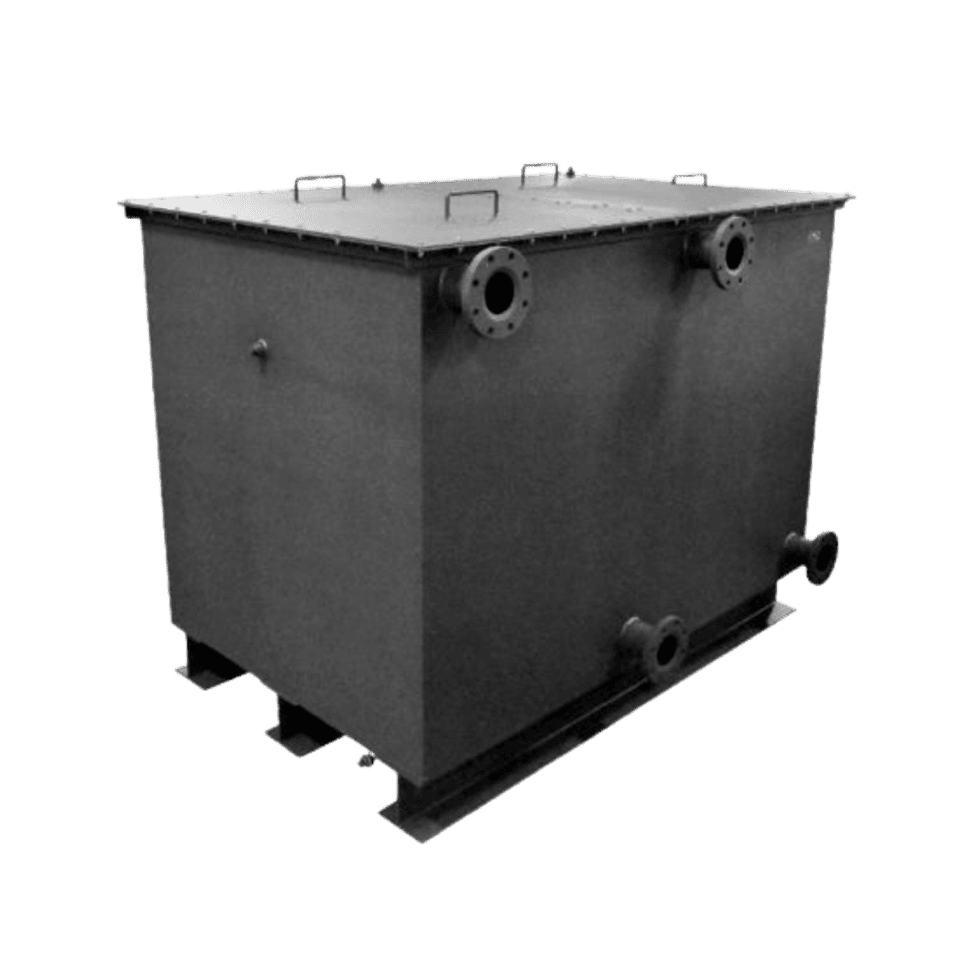
Shand & Jurs 97126 Gas Purifier

For digester plant engineers, landfill gas operators, and RNG conditioning teams, the Shand & Jurs 97126 Gas Purifier removes corrosive hydrogen sulfide (H₂S) from low-pressure gas streams before utilization or compression, protecting burners, engines, flame arresters, and piping from acid corrosion and fouling.

Unlike separators, drip traps, or mechanical filters that remove liquids or solids, the 97126 chemically converts H₂S and bonds it to a reactive iron-oxide-impregnated wood chip media, removing the corrosive component from the gas stream rather than relocating it downstream.

Replaceable purification cartridges sit in a dual-compartment vessel that allows continuous operation during media changeout, with series or parallel configurations for capacity control. Units are offered in line sizes from 2 inches to 10 inches, with optional water spray nozzles and thermometer connections to maintain media reaction conditions.

Within the Shand & Jurs gas conditioning sequence, the 97126 provides chemical treatment upstream of combustion equipment and control devices, working alongside the 97120 Sediment Trap, the 97125 Accumulator, and the 97100-series drip traps to deliver clean, dry, corrosion-free gas.

Shand & Jurs 97126
Shand & Jurs 97126 Gas Purifier
02

Features

Reactive Purification Cartridges

Chemically bonds H₂S to the media instead of filtering it, removing the corrosive component from the gas stream before utilization.

Iron Sponge Media

Iron oxide impregnated wood chips react with H₂S to capture sulfur in a solid phase, using a proven chemistry for biogas and landfill gas.

Dual-Compartment Vessel

Allows continuous operation during media replacement, keeping the conditioning train online while spent cartridges are exchanged in the offline chamber.

Series or Parallel Operation

Adjusts removal efficiency and capacity to match gas load, supporting both high-H₂S service and variable production rates across the plant.

Optional Spray Nozzles

Water spray maintains proper media moisture for the oxidation reaction, improving removal efficiency and extending cartridge life in saturated service.

Replaceable Cartridges

Simplifies media changeout without removing the vessel from the piping, reducing downtime and labor during scheduled media replacement intervals.

Applications

  • Digester Gas: Removes H₂S from anaerobic digester gas before compression or utilization, protecting downstream engines, boilers, and flares from acid corrosion.
  • Landfill Gas: Treats H₂S-bearing landfill gas upstream of blowers and utilization equipment, reducing corrosion and extending overhaul intervals on downstream machinery.
  • RNG Conditioning: Fits renewable natural gas conditioning trains where H₂S must be removed before upgrading, compression, and pipeline or fueling station delivery.
  • Fermentation Gas: Treats fermentation off-gas from industrial and food processing applications where H₂S reduction is required for utilization or emissions control.
  • Fuel Gas Systems: Installs on fuel gas lines feeding burners and boilers, protecting trim, piping, and heat transfer surfaces from sulfuric acid attack.
  • Vapor Recovery: Treats recovered vapor streams with elevated H₂S content before compression or thermal treatment, supporting reliable downstream process operation.
03

Specifications

Parameter

Specification

Function

Chemical gas purification

Contaminant Removal

Hydrogen sulfide (H₂S)

Line Sizes

2″ – 10″

Configuration

Dual compartment

Operation

Series or parallel

Media Type

Iron sponge (Fe₂O₃ impregnated wood)

Spray Nozzles

Optional

Tank Materials

Carbon steel or 316L stainless

Cartridge Trays

Hardwood

Hardware

Stainless steel

Contact Support
2026 COST ESTIMATE

Contact Support

If you have questions not covered here, please contact the Cognesense support team for assistance.

Contact Us

How does iron sponge remove hydrogen sulfide?

The iron-oxide-impregnated wood chip media reacts with H₂S to form iron sulfide, which remains bound to the solid media. The corrosive component is captured in a solid phase inside the cartridge rather than separated from the gas as a liquid or fine particulate. Sufficient moisture is required for the reaction, which is why spray nozzles are offered as an option.

What is the advantage of a dual-compartment vessel?

+

The dual-compartment layout allows continuous gas treatment while one side is offline for cartridge replacement. The active compartment keeps the conditioning train online, and the offline compartment is isolated, vented, and serviced safely. This eliminates the shutdown that would otherwise accompany media changeout on a single-vessel purifier.

When do I run the chambers in series versus parallel?

+

Running compartments in series increases removal efficiency by giving the gas a longer residence time across two beds, which suits higher-H₂S service. Parallel operation doubles the gas-handling capacity at the base removal efficiency, suiting higher flow rates. The field configuration lets the same vessel adapt to changing production rates.

Why are spray nozzles offered as an option?

+

The iron oxide reaction with H₂S requires sufficient moisture in the media. Spray nozzles allow water to be added during operation to maintain optimal media hydration, improving removal efficiency and extending cartridge life in streams that would otherwise dry out the bed. In saturated gas service, spray nozzles may not be required.

What line sizes and materials are available?

+

The 97126 is offered in line sizes from 2 inches through 10 inches. Tank construction is carbon steel or 316L stainless steel, with hardwood cartridge trays, stainless hardware, and thermometer connections for media temperature monitoring. Stainless is recommended for saturated or aggressive gas service.

How is spent iron sponge media handled?

+

Spent media is removed with the cartridge and handled per site procedures and local regulations for iron sulfide waste. Oxidation of spent media in air can release heat; material handling should follow the supplier’s guidance for controlled wetting and disposal. Reference the datasheet and installation documentation for site-specific handling instructions.

Where does the 97126 sit in the conditioning train?

+

The 97126 is the chemical conditioning stage, typically downstream of the 97120 Sediment Trap and the 97125 Condensate Accumulator and upstream of combustion equipment and fine control devices. Removing liquid and particulate before the purifier preserves media effectiveness; removing H₂S before downstream equipment protects the entire utilization system from acid corrosion.

Summary

With over a century of tank-safety heritage, Cognesense delivers the Shand & Jurs 97126 Gas Purifier as the chemical conditioning stage for digester gas, landfill gas, and RNG trains where H₂S would otherwise corrode downstream piping, valves, and combustion equipment. A dual-compartment iron-sponge vessel with replaceable cartridges, series or parallel operation, and optional moisture spray keeps the conditioning train online during media changeout while preserving reliable H₂S capture. Paired with upstream separators and downstream drip traps, the 97126 is trusted wherever you need to measure, monitor, and protect what matters most.

Shand & Jurs
Measure.
Monitor.
Protect.