01

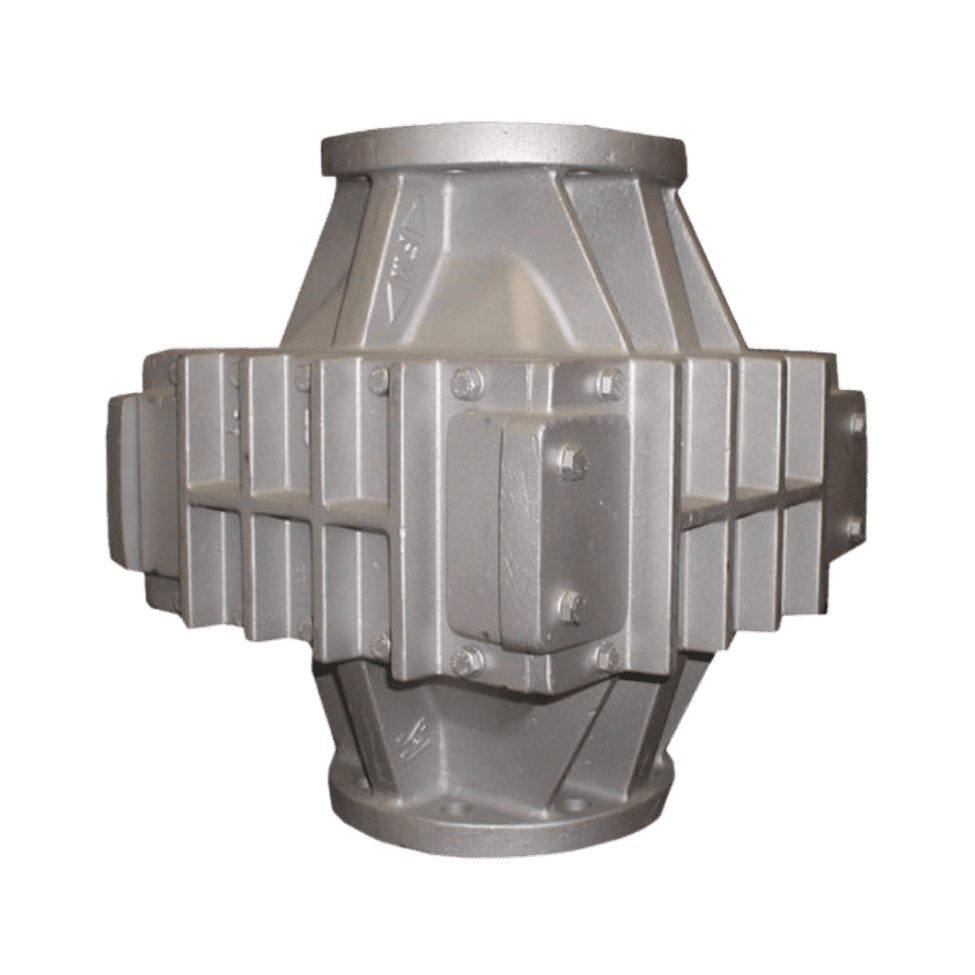
94309 Plate-Element Flame Arrester

Flame Arrester (Plate Element)

Shand & Jurs Model 94309 Plate-Element Flame Arrester

The Model 94309 Plate-Element Flame Arrester is designed for tank farm safety engineers, HSE and compliance managers, process operations leaders, and EPC project specifiers who need passive flame protection within low-pressure gas and vapor piping connected to storage tanks and process equipment.

When a flame front enters the arrester, the plate element absorbs and dissipates heat, reducing gas temperature below its ignition point and stopping flame travel before it reaches the protected vapor space.

A high free-area element maintains normal vapor movement with minimal pressure drop, preserving tank breathing and vent capacity, while the fully passive design operates without controls, instrumentation, or external energy.

The extensible element assembly allows inspection and cleaning without removing the arrester from the piping. Vertical or horizontal installation with optional drains supports condensate management, and sizing can be verified using the Shand & Jurs WinSize software against API 2000 venting requirements.

Shand & Jurs Model 94309 Plate-Element Flame Arrester

Applications

  • Tank Vent Piping: Installed in atmospheric and low-pressure tank vent headers to stop flame travel from downstream ignition sources back into the tank vapor space.
  • Digester Gas and Biogas Lines: Protects digester gas collection and biogas piping where wet, low-pressure combustible vapor must move through distribution systems without flashback risk.
  • Vapor Recovery Headers: Safeguards vapor recovery and flare-header piping from flame propagation while maintaining the flow capacity required for normal vent and recovery operation.
  • Low-Pressure Process Vents and Waste Gas Piping: Applied in low-pressure process vents and waste gas piping where a passive thermal barrier is needed to define the ignition boundary within the piping network.
02

Technical Specifications

Parameter

Specification

Model  

Shand & Jurs® 94309 Flame Arrester (Plate Element)

Technology  

Passive plate-element flame arrester for low-pressure gas and vapor piping

Size Range

2 in. to 12 in.

Maximum Static Pressure

10 psig

Maximum Pressure Drop

≤ 1 psig

Gas Group 

NEC Group D

Mounting

Vertical or horizontal

Body and Seat Material

Aluminum, Carbon Steel, or 316 Stainless Steel

Flame Element  

Aluminum or 316 Stainless Steel plate bank

Hardware

Aluminum or 316 Stainless Steel

Flange Options

ANSI raised-face or flat-face

Condensate Handling

Optional horizontal configuration with drain provision

Insulation

Optional jacket to reduce condensation or freezing

Sizing Support

Shand & Jurs WinSize software; API 2000 venting compatibility

Typical Applications

Tank vent piping, digester gas lines, vapor recovery headers, low-pressure process vents, waste gas piping

Support
2026 COST ESTIMATE

Support

If you have questions not covered here, please contact the Cognesense support team for assistance.

Contact Us

How does the Model 94309 stop a flame front in vapor piping?

As the flame front enters the arrester, the plate element absorbs and dissipates heat from the gas, reducing its temperature below the ignition point. The flame is quenched at the element surface before it can propagate further, protecting connected tanks and process equipment from flashback.

What is the pressure-drop impact on normal tank breathing?

+

The high free-area plate element is designed to hold pressure drop to ≤ 1 psig at rated flow, preserving vent and breathing capacity. Arrester sizing can be verified using the Shand & Jurs WinSize software to confirm compatibility with expected venting flow rates and API 2000 venting requirements.

Can the arrester be mounted vertically or horizontally?

+

Yes. The Model 94309 is designed for vertical or horizontal installation without performance change. In wet-gas service, the horizontal configuration with an optional drain provision helps remove condensate that could otherwise obstruct the flame path and affect arresting performance.

Does the arrester require controls, sensors, or external power?

+

No. The Model 94309 is fully passive. It operates without instrumentation, controls, or external energy, which eliminates active-component failure modes and simplifies long-term protection in low-pressure gas systems.

Which materials should I specify for corrosive or condensable service?

+

316 stainless steel body, seat, and element construction is recommended for corrosive or aggressive vapor service. Aluminum is typical for lightweight standard-service installations, while carbon steel adds mechanical durability in industrial environments. Insulation jackets are available where condensation or freezing is a concern.

Shand & Jurs
Measure.
Monitor.
Protect.