94240
94241
01

Free Vents

Open tank breathing with weather and debris protection.

What It Is & How It Works

Free vents are open-flow tank fittings that allow unrestricted atmospheric breathing at a tank nozzle while keeping rainwater, debris, insects, and wildlife out of the tank interior. They serve tanks storing non-volatile or low-hazard liquids where emissions control and pressure or vacuum set-point management are not required, but the tank must still breathe freely during filling, emptying, and thermal changes.

A free vent mounts directly to the tank roof nozzle and provides an open flow path between the vapor space and atmosphere. Internal baffles or a weather hood deflect rain and snow away from the opening, and screen elements block debris, insects, and birds. Unlike conservation vents, a free vent imposes no pressure or vacuum set point; the tank breathes at essentially atmospheric pressure at all times.

Free vents are sized to the tank nozzle and the breathing rate required during maximum filling or emptying. Material, carbon steel or aluminum, depends on the product and the external environment. If a tank is later reclassified for volatile service, the free vent must be replaced with a conservation vent on the same nozzle.

Free Vent vs. Conservation Vent

A conservation vent controls breathing through calibrated pressure and vacuum pallets that open at defined set points, reducing evaporative emissions and holding a slight positive pressure. A free vent provides no pressure or vacuum control; the tank breathes openly to atmosphere. Choose a conservation vent when the product is volatile or emissions rules apply; choose a free vent when the product is non-volatile and open breathing is acceptable.

When to Specify Free Vents

Free vents are specified when a tank requires atmospheric breathing with weather protection but no pressure and vacuum control or emissions management:

  • Water and Non-Volatile Liquid Storage: Tanks storing raw water, process water, brine, or other non-volatile liquids where no evaporative emissions rules apply and unrestricted breathing prevents vacuum collapse during pump-out.
  • Agricultural and Irrigation Tanks: Above-ground storage for irrigation water, liquid fertilizer, or non-hazardous agricultural liquids where open breathing is acceptable and debris protection is the main requirement.
  • Wastewater Equalization and Holding Tanks: Equalization basins, holding tanks, and non-hazardous wastewater vessels that must breathe freely during variable fill and draw cycles.
  • Temporary or Construction-Phase Storage: Temporary and construction-site tanks where a simple weather-protected opening suffices until permanent fittings are installed.
  • Low-Hazard Industrial Process Tanks: Process tanks storing non-volatile intermediates or finished products that do not generate regulated vapor emissions at normal operating temperatures.
Shand & Jurs 94240
02

Why It Excels

01

Tanks Requiring Maximum Breathing Capacity

With no pressure or vacuum pallet to restrict flow, a free vent delivers the highest possible breathing rate for a given nozzle size during rapid filling or emptying.

02

Non-Volatile Service Where Emissions Control Is Unnecessary

For water, brine, or other non-volatile liquids, a free vent provides the needed weather and debris protection without the cost or maintenance of a conservation vent mechanism.

03

Installations Where Simplicity Reduces Maintenance

With no moving parts, set points, or sealing surfaces, a free vent needs only periodic screen inspection, lowering the maintenance burden versus pressure and vacuum devices.

04

Applications Requiring Corrosion-Resistant Construction

Carbon steel and aluminum configurations match the external environment and stored product, holding performance in coastal, humid, or chemically exposed installations.

What to Consider Alongside Free Vents

Consider an alternative when:

  • The stored product generates regulated vapor emissions or the tank needs pressure and vacuum set-point control. See Pressure & Vacuum Conservation Vents.
  • The tank requires large-volume emergency relief during fire exposure in addition to normal breathing.
  • The vapor space contains flammable vapors and the opening must prevent external flame ingress. See Flame, Deflagration & Detonation Arresters.

How Free Vents Fit Into a Larger System

  • Pair with L&J Technologies level gauges or float and tape transmitters feeding Clairvoyance to give inventory visibility on water, brine, or process tanks that breathe through open vents. See Float & Tape Level Gauges and FuelsManager®.
  • Plan a future upgrade path: because free vents mount to standard nozzles, a tank later reclassified for volatile service can swap the free vent for a conservation vent on the same nozzle without roof modifications. See Pressure & Vacuum Conservation Vents.
03

Featured Products

01

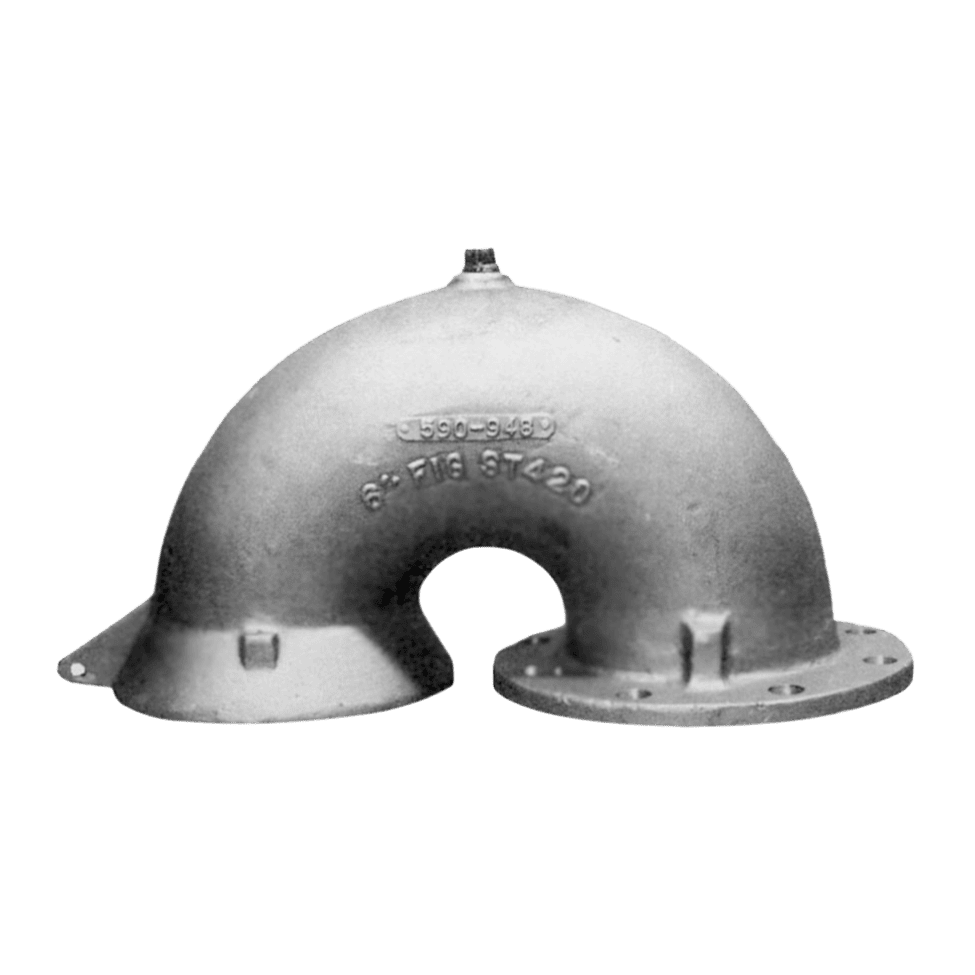
Shand & Jurs 94240 Free Vent

Open-flow tank vent with debris screen for non-volatile liquid storage, providing unrestricted breathing with rain and debris protection.

02

Shand & Jurs 94241 Free Vent (Hooded)

Open-flow tank vent with integral weather hood and debris screen, providing unrestricted breathing with enhanced rain protection for non-volatile storage.

04

Storing a non-volatile liquid and unsure whether open venting is enough?

Talk to an engineer
Shand & Jurs
Measure.
Monitor.
Protect.